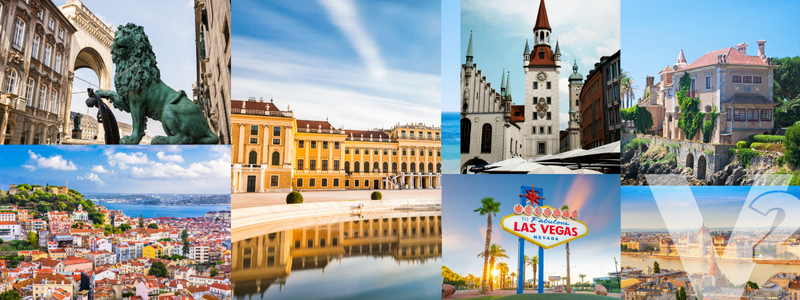
This fall was one to remember. From Scotland’s misty highlands to St. Lucia’s turquoise waters, the V2 Team traveled across the globe—creating unforgettable incentive travel experiences, celebrating milestones, and redefining what memorable incentive travel can look like. Across Europe, the Caribbean, and the U.S., our travelers explored, connected, and celebrated in incredible destinations that blended culture, adventure, and luxury. Back home, we marked an exciting chapter of our own with a refreshed logo and a brand-new website, reflecting V2’s ongoing evolution and our mission to deliver world-class incentive travel programs. Scotland: Where History Meets Highlands Our fall adventures began in Scotland, a destination where timeless charm meets rugged beauty. From the cobbled streets of Edinburgh to the dramatic landscapes of the Highlands, every moment felt like stepping into a storybook. Guests immersed themselves in Scottish tradition—exploring ancient castles, savoring local flavors, and taking in panoramic views that stretched for miles. Scotland remains one of the most inspiring destinations for incentive travel programs, offering memorable experiences that motivate, reward, and connect teams. Portugal: Culture, Coastlines & Castles Next, our journey continued south to Portugal, where history, hospitality, and breathtaking scenery come together in perfect harmony. In Lisbon, guests experienced the magic of Portugal’s capital: colorful tiled façades, the sound of Fado music, and sweeping views from the city’s famous miradouros. A short drive away, Cascais offered sun-soaked relaxation along the coast, while the fairytale town of Sintra transported travelers back in time with its lush hillsides, historic palaces, and iconic castles. Exploring these castles and gardens brought a sense of wonder to the incentive travel experience, combining history, culture, and unforgettable moments. Portugal is the perfect destination for luxury incentive travel programs, offering a mix of cultural immersion, scenic beauty, and personalized experiences. Munich, Germany: Tradition and Celebration From the Iberian coast to the heart of Bavaria, Munich welcomed our travelers with warmth, tradition, and energy. Guests explored historic squares, sampled local cuisine, and discovered firsthand why Munich is one of Europe’s most dynamic destinations for incentive travel programs. The Danube River: A Journey Through Europe’s Heart There’s nothing like exploring Europe by river, and our Danube River Cruise offered an unforgettable way to experience its beauty. Sailing through Budapest, Vienna, Bratislava, and Linz, travelers enjoyed a seamless blend of scenic relaxation and cultural immersion. River cruising is an elegant way to experience multiple destinations in one trip, making it ideal for luxury incentive travel programs that combine comfort, culture, and unique experiences. St. Lucia: Tropical Bliss From Europe’s historic waterways to the Caribbean’s turquoise seas, our fall travels continued to St. Lucia, a tropical paradise perfect for incentive travel experiences. With iconic Pitons, lush rainforests, and world-class resorts, St. Lucia offered a combination of adventure and relaxation that every traveler dreams of. Guests enjoyed luxury travel experiences like catamaran cruises, rainforest excursions, and five-star dining under the stars—perfect for celebrating achievement in style. Las Vegas: Connecting at IMEX Our final stop of the season brought us to Las Vegas, not for leisure, but to attend IMEX, one of the world’s leading industry conferences for event planners and travel professionals. This was a key opportunity to connect with our vendors, suppliers, and partners, strengthening relationships and exploring the latest trends in incentive travel. Even in a city famous for entertainment, Las Vegas served as a hub for meaningful connections that help us continue delivering unforgettable incentive travel experiences. A Fresh Look for What’s Next As our travelers explored the world, V2 celebrated a milestone of our own. We unveiled our refreshed logo and brand-new website, representing the next evolution of our brand. The updated look reflects who we are today—innovative, forward-thinking, and dedicated to designing customized incentive travel programs that inspire, engage, and reward. Our new website makes it easier than ever to explore destinations, discover possibilities for incentive travel, and connect with our team. Looking Ahead From misty mornings in Scotland to golden sunsets in St. Lucia, this fall reminded us why incentive travel is so impactful: it connects teams, creates lasting memories, and celebrates achievement in ways that inspire. We’re proud of the adventures we’ve created, the milestones we’ve celebrated, and the experiences that continue to inspire our work. The best is yet to come. Follow V2 around the world:
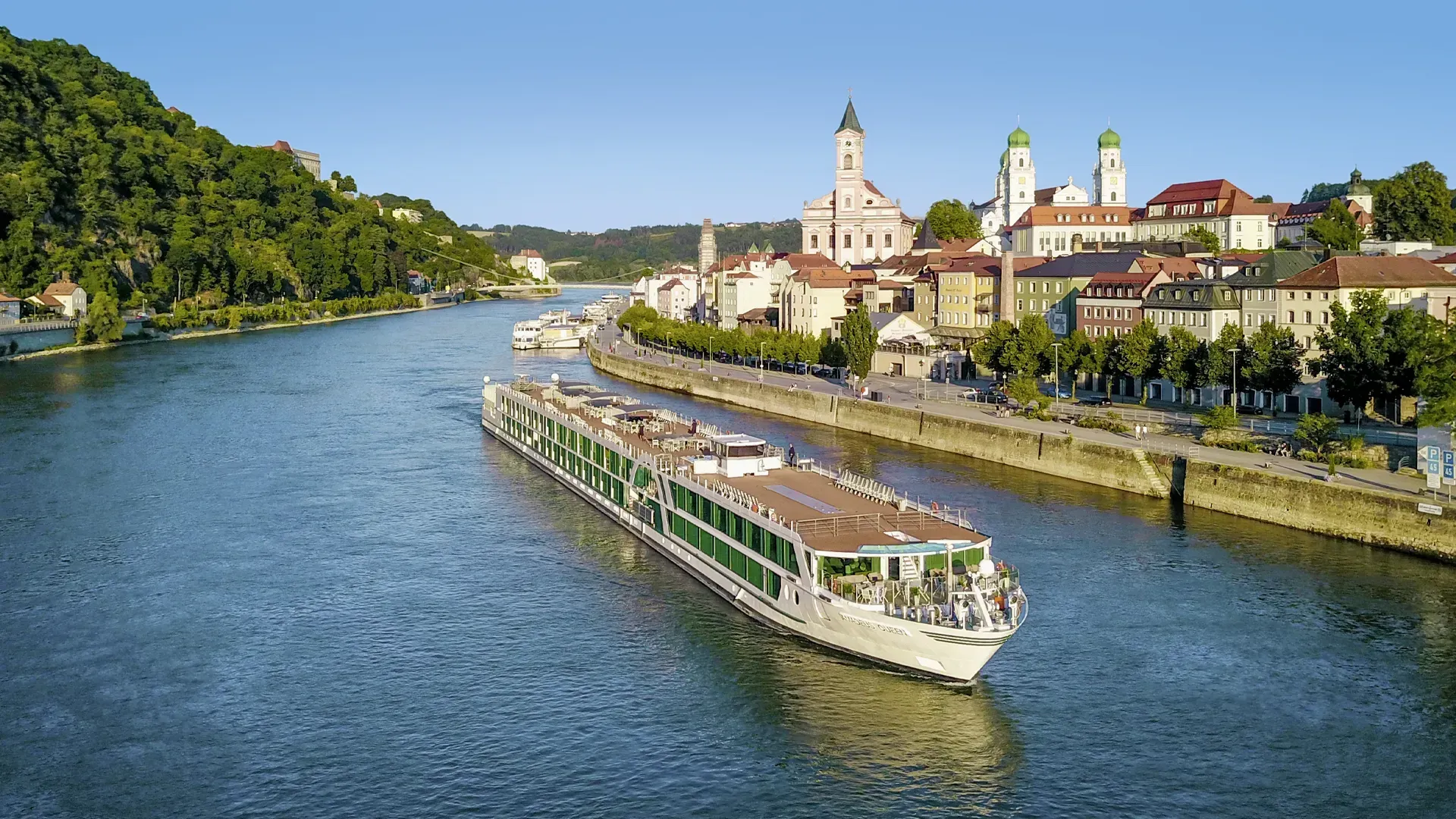
When it comes to creating unforgettable incentive experiences, few destinations can match the charm and sophistication of Europe — and even fewer ways to see it compare to a river cruise. Floating through the heart of the continent offers travelers an intimate view of its most storied cities, rolling vineyards, and fairytale castles — all without ever packing and unpacking twice. But river cruising isn’t just a bucket-list experience; it’s quickly becoming one of the most desirable ways for companies to reward and connect with their top performers. In an age where employees value authentic experiences over material rewards, European river cruises deliver that perfect blend of relaxation, luxury, and discovery. They check every box for planners looking to elevate their next incentive trip into something extraordinary. ________________________________________ A New Wave in Incentive Travel The world of incentive travel is evolving. Gone are the days when a simple beach vacation or resort stay could inspire long-term motivation. Today’s workforce craves connection, culture, and meaningful moments — the kind of experiences that linger long after the trip ends. That’s why V2 is reimagining what it means to “reward success.” Programs that combine adventure, exclusivity, and storytelling are taking center stage, and river cruises fit that vision perfectly. They’re immersive yet effortless, sophisticated yet comfortable, and every moment feels curated — because it is. Unlike large ocean cruises, river voyages glide through the center of Europe’s cultural heartbeat. Imagine sailing directly into the heart of Budapest or docking steps away from Vienna’s opera house. Each day reveals a new destination, but the pace remains unhurried, giving participants the chance to truly absorb the moment rather than rush through it. For companies, that balance — exploration without exhaustion — is golden. Participants return home refreshed, inspired, and connected not only to the destination but to each other and to the organization that made it possible. ________________________________________ The Allure of River Cruising So what makes river cruising so special? It’s the perfect marriage of convenience and culture. Each ship feels like a boutique hotel on the water, offering refined service, locally inspired cuisine, and ever-changing views outside every window. Instead of spending hours in airports or on buses between destinations, travelers simply wake up somewhere new each morning. One day it might be a stroll through the cobbled lanes of Passau, the next a private wine tasting in Austria’s Wachau Valley. Every port tells a new story, and every experience can be woven into the narrative of your incentive program. Because river cruise ships carry fewer passengers — often fewer than 200 — the atmosphere is intimate and relaxed. This scale naturally fosters connection. Participants mingle easily, conversations happen organically, and team bonds strengthen in ways that rarely occur in larger, more impersonal settings. And while the pace is leisurely, the opportunities for customization are endless. From private deck dinners overlooking the Rhine to branded gifts awaiting guests in their staterooms, every element can be shaped to reflect your company’s story and goals. ________________________________________ Why River Cruises Work for Incentive Travel Effortless Logistics One of the greatest challenges in incentive travel planning is coordination — multiple hotels, transfers, activities, and meals can quickly become a logistical puzzle. River cruises eliminate that stress entirely. With all-inclusive accommodations, dining, and excursions, planners can deliver a fully immersive experience without juggling dozens of vendors or transportation schedules. The ship becomes both the hotel and the meeting space, with the scenery doing most of the heavy lifting in terms of “wow” factor. For example, instead of orchestrating several hotel check-ins and bus rides through central Europe, an incentive group can unpack once and sail smoothly from one city to the next. Each morning brings a new postcard view — without a single suitcase shuffle. ________________________________________ Unforgettable Scenery Ocean cruises take travelers to countries. River cruises take them through them. That’s a key distinction. Because rivers snake directly through Europe’s most iconic regions, travelers experience landscapes and landmarks up close — not from a distance across the water. Castles rise dramatically from hillsides, church spires pierce skylines, and charming villages appear like watercolor paintings along the banks. Imagine gliding past the vineyard-covered slopes of the Rhine Gorge or sailing through the illuminated bridges of Paris on the Seine. Every bend brings something new, and it all feels cinematic. This ever-changing scenery keeps guests engaged and present, creating a sense of wonder that perfectly complements the celebratory nature of an incentive trip. ________________________________________ Built-In Exclusivity Incentive programs thrive on a sense of reward and recognition — participants should feel like VIPs every step of the way. River cruises make that effortless. Smaller ships mean a more personal experience. The staff quickly learns names and preferences, and service feels intuitive rather than scripted. That creates the feeling of being part of something special — not just another passenger on a crowded vessel. For planners, that intimacy is gold. It encourages authentic networking and relationship-building among attendees. Cocktail hours on the sundeck, small-group excursions, and shared dining tables naturally create moments of connection that carry over long after disembarkation. And if you want to take exclusivity a step further? Charter the entire ship. A full-ship buyout transforms the cruise into a private floating resort — branded entirely around your program and company culture. ________________________________________ Customizable Experiences No two incentive groups are alike, and that’s what makes river cruises such a compelling option — they can be shaped to fit any theme, audience, or goal. Imagine hosting a private Mozart concert in Vienna, arranging a truffle-making class in Lyon, or planning a gala dinner onboard as the ship glides past the lit-up skyline of Budapest. River cruise lines are accustomed to personalization, so integrating branded touches or custom events is both seamless and memorable. Even onboard experiences can be customized: host recognition ceremonies in the lounge, display company visuals on digital screens, or feature regional wines paired with company-themed menus. The possibilities are endless — and every detail reinforces your brand story. ________________________________________ Top Rivers to Explore Europe’s rivers each offer their own distinct flavor, scenery, and cultural highlights. Here are a few of the most popular for incentive groups: The Danube The Danube is a cultural and musical journey stretching from Germany to Hungary. Incentive guests can experience the grand architecture of Vienna, the pastel beauty of Bratislava, and the romantic glow of Budapest by night. It’s ideal for companies that want a blend of history, art, and elegance — with just the right amount of nightlife. The Rhine Known for its castles, cathedrals, and charming riverside villages, the Rhine delivers one picture-perfect moment after another. Groups can enjoy private tastings at centuries-old vineyards, explore the storybook streets of Rüdesheim, and sail past the legendary Lorelei Rock. It’s a perfect fit for incentive programs seeking a balance of scenic beauty and cultural immersion. The Seine Few experiences rival cruising into the heart of Paris. A journey along the Seine blends romantic cityscapes with the serene countryside of Normandy. Excursions might include art-inspired tours of Monet’s gardens in Giverny or elegant dinners beneath the Eiffel Tower. This river suits incentive groups looking for sophistication and “wow” moments that feel quintessentially French. The Douro Portugal’s hidden gem, the Douro River, winds through sun-drenched vineyards and terraced hillsides. It’s a feast for the senses — rich wines, warm hospitality, and golden sunsets that seem to linger forever. Incentive groups love it for its relaxed pace and authentic feel, offering a more off-the-beaten-path option without sacrificing comfort or luxury. Each of these rivers offers its own personality, but all share one thing in common: the ability to transform a standard incentive trip into a shared story of discovery. ________________________________________ Who River Cruises Are Ideal For River cruises suit a wide range of organizations and audiences, but they’re particularly powerful for: Top-tier sales performers or executives who appreciate luxury and exclusivity. Teams seeking connection and collaboration, where smaller group settings foster genuine relationships. Companies with a global outlook that want to celebrate success in a setting that reflects sophistication and culture. Brands that value storytelling — because every stop along the river becomes part of the company’s shared narrative. They’re also a smart choice for incentive programs that want to balance adventure with comfort. There’s no need to sacrifice luxury for authenticity — river cruises deliver both. ________________________________________ The Lasting Impact The best incentive trips do more than reward results — they inspire future performance. River cruises create those emotional, transformative moments that keep teams motivated long after they return home. Whether it’s a toast on the top deck as the ship drifts past illuminated cityscapes, or a heartfelt recognition ceremony surrounded by colleagues who’ve become friends, these experiences leave a lasting mark. They remind participants that their efforts matter and that they’re part of something exceptional. And for companies, the return on investment extends beyond numbers. It’s seen in renewed energy, stronger relationships, and a culture of appreciation that continues to drive performance. ________________________________________ Set Sail with V2 Incentives Whether you’re rewarding top performers or celebrating a milestone year, a European river cruise offers an unmatched combination of beauty, culture, and effortless sophistication. It’s more than just a trip — it’s an experience that inspires, connects, and celebrates success in unforgettable ways. At V2 Incentives, we specialize in crafting programs that go beyond ordinary. Our team can help design a river cruise experience perfectly aligned with your goals — from custom branding and exclusive events to unforgettable local encounters along Europe’s most iconic waterways. Ready to chart a new course for your next incentive? Let’s make it extraordinary — one river, one story, one celebration at a time.
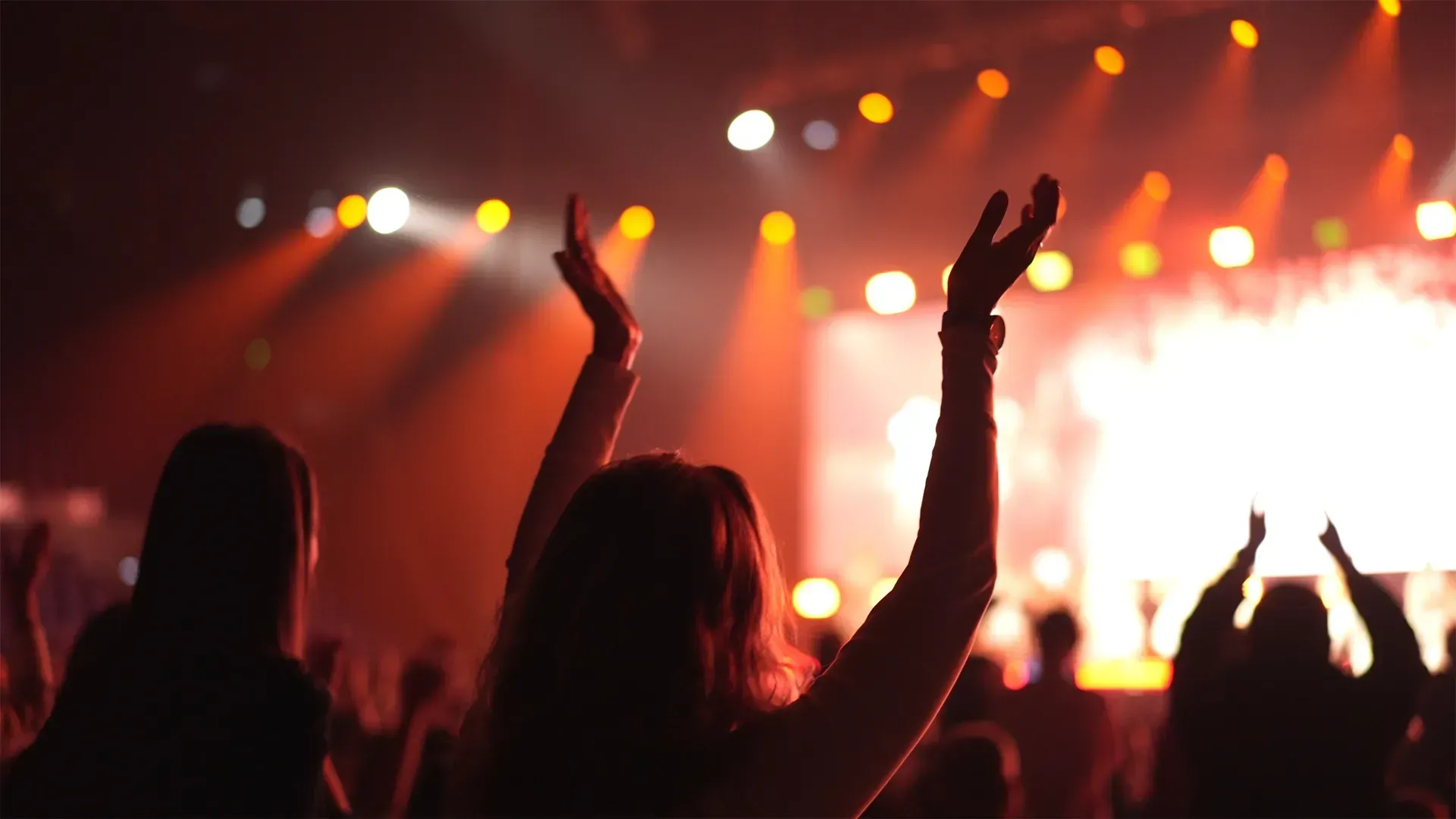
The right rewards have the power to spark motivation, strengthen culture and celebrate success. Gift cards remain a flexible favorite, giving recipients the freedom to choose what excites them most. But incentives don’t stop there. Unforgettable experiences—like concerts, sporting events, or once-in-a-lifetime trips—create lasting memories that deepen loyalty. Group events and travel foster stronger connections, turning recognition into shared stories your team will talk about for years. 91% of employees say recognition motivates them to put in extra effort ( source ) —proof that thoughtful incentives really work. With Vivify , you can combine all of these options into one seamless platform—making it easy to build an incentive program that’s as unique as your team. Ready to see how Vivify elevates engagement?